1. Combustion phenomenon
1.1 What is combustion?
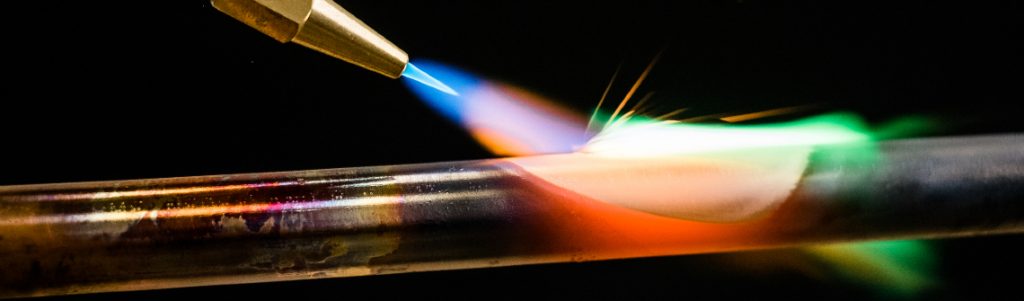
Combustion is a chemical reaction that is globally and generally highly exothermic, autonomous, liable to accelerate abruptly and accompanied by the emission of radiation. It can be slow or rapid, turbulent, spontaneous, catalytic...
It requires an oxidizer (usually air or oxygen) and a fuel (such as hydrocarbon and oxygenated compounds). Generally speaking, the complete combustion of a hydrocarbon compound produces carbon dioxide (CO 2 ) and water :

Exclusive to subscribers. 97% yet to be discovered!
Already subscribed? Log in!
Combustion phenomenon

 Soot precursor formation in hydrocarbon flames
Article included in this offer
"Physics and chemistry"
(
204 articles
)
Updated and enriched with articles validated by our scientific committees
A set of exclusive tools to complement the resources
Bibliography
References
Exclusive to subscribers. 97% yet to be discovered!
Already subscribed? Log in!