6. Conclusion and future research
Studies on severe accidents have focused on the most widespread technologies worldwide, i.e. pressurized water reactors and boiling water reactors.
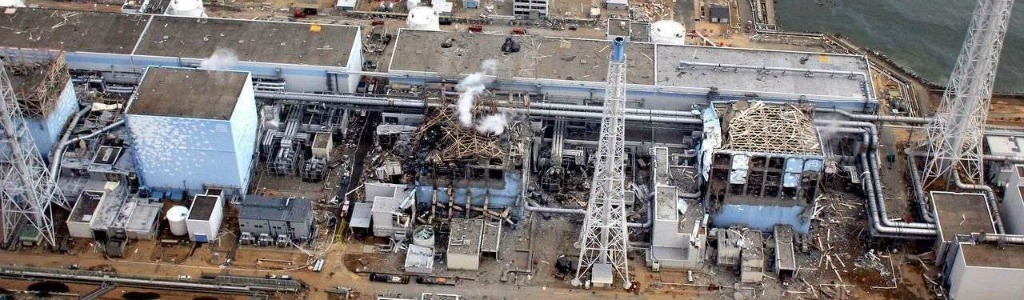
For these reactors, analysis of the Fukushima Daiichi accident in Japan in 2011 identified weaknesses in reactor design, emergency preparedness and response, and severe accident management planning. However, no shortcomings in nuclear fuel element design were identified. Nevertheless, the impact of the Fukushima Daiichi accident has rekindled the drive to improve fuel element technology, which should ultimately only enhance reactor safety. The term ATF (Accident Tolerant Fuel) is now used to describe these new technologies, which aim to reduce cladding deformation, reduce the kinetics of cladding oxidation by high-temperature steam (and hence heat and hydrogen production), and reduce the consequences of severe accidents...

Exclusive to subscribers. 97% yet to be discovered!
Already subscribed? Log in!
Conclusion and future research

Article included in this offer
"Nuclear engineering"
(
161 articles
)
Updated and enriched with articles validated by our scientific committees
A set of exclusive tools to complement the resources
Bibliography
Exclusive to subscribers. 97% yet to be discovered!
Already subscribed? Log in!