Overview
ABSTRACT
A wide range of hollow bodies composed of thermoplastic polymers can be found in the pharmaceutical, cosmetic and food industry. One of their manufacturing techniques, the biaxially oriented blow moulding process has evolved considerably over the last few years. This process applied to polyethylene terephthalate has allowed the creation of attractive, light and resistant containers. Technological breakthroughs in the biaxially-oriented industry have contributed to this improvement. Blow-moulding machines can be easily integrated in a bottling production line and are even sometimes itegrated into the filling-machine. Also, the intermediary printing steps of these vials and bottles are effected either on or off-line.
Read this article from a comprehensive knowledge base, updated and supplemented with articles reviewed by scientific committees.
Read the articleAUTHOR
-
Bernard PLANTAMURA : Centrale Paris engineer – DEA in materials - R Project Manager at SIDEL Blowing & Services
INTRODUCTION
There is a huge variety of hollow bodies made from thermoplastic polymers, and of processes for manufacturing them, depending on the size and market of the bottles or containers (pharmaceuticals, cosmetics, beverages, various liquids, tanks, vats, etc.).
These include (but are not limited to) extrusion blow-molding, injection blow-molding, bi-oriented blow-molding and rotational molding.
Extrusion blow-molding and injection blow-molding use the extrusion and injection processes in their first phase, the general principles of which are described in other files in our collection [cf. Doc. AM 3 700].
This dossier is essentially devoted to the bi-oriented blow-molding technique, whose most representative and widespread material is PET (polyethylene terephthalate).
Over the past thirty years, this technique and this material have led to a considerable boom in applications for beverages and liquid foods.
This boom is due in particular to the wide variety of possible shapes, attractive appearance, light weight and resistance of the bottles, all of which are highly appreciated by consumers.
The second factor behind this technological and commercial success has been the considerable increase in the output and productivity of bottle-making and bottling machines, which have spread far beyond Europe's borders and are enjoying strong growth on world markets, with development in new applications (milk, juices, teas, sensitive products, etc.).
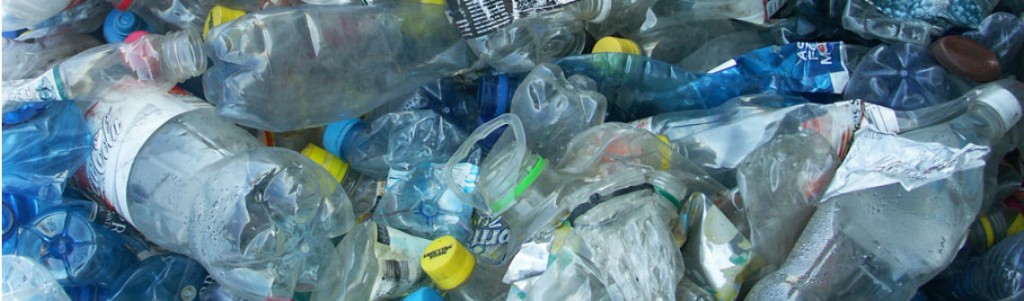
Techniques continue to evolve to meet economic and environmental constraints, with the introduction of packaging collection and processing circuits, and the industrial use of recycled PET.

Exclusive to subscribers. 97% yet to be discovered!
Already subscribed? Log in!
Bi-axaially oriented hollow bodies blow moulding process
 Hollow-body blow-molding processes
Article included in this offer
"Plastics and composites"
(
347 articles
)
Updated and enriched with articles validated by our scientific committees
A set of exclusive tools to complement the resources
Bibliography
Exclusive to subscribers. 97% yet to be discovered!
Already subscribed? Log in!