Overview
ABSTRACT
The article presents the different key-steps in the life cycle of biobased and/or biodegradable polyesters. It describes the elaboration processes of each of these polyesters, going back to the raw materials used, especially when these are of plant-based. These production processes can be biotechnological approaches as well as fairly conventional chemical methodologies. For each of these polyesters, the main functional properties and current or future applications are detailed and criticized with regard to the issues of today. Their strengths but also the drawbacks limiting their development are explained. Finally, the end of life of these polyesters is examined by focusing the end of life scenario towards recycling (mechanical, chemical or enzymatic) for non-biodegradable polyesters and towards (bio)degradation for polyesters considered to be biodegradable.
Read this article from a comprehensive knowledge base, updated and supplemented with articles reviewed by scientific committees.
Read the articleAUTHOR
-
Stéphane BRUZAUD : University Professor - University of South Brittany, Dupuy de Lôme Research Institute, - CNRS Joint Research Unit 6027, Lorient, France
INTRODUCTION
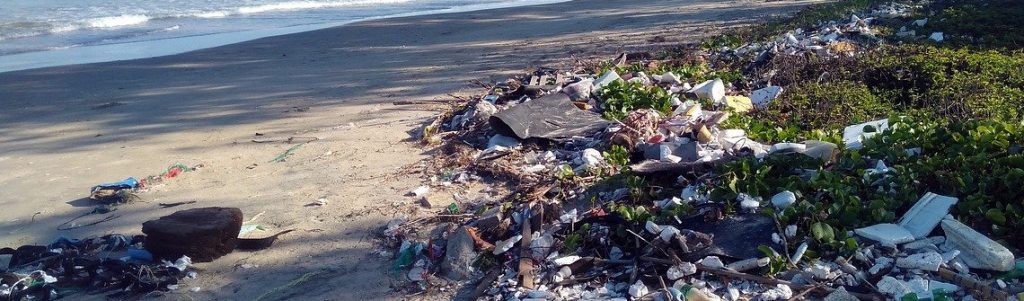
Since the beginning of the 21st century, polyesters have attracted significant interest due to current environmental concerns. Indeed, some of them can be bio-based (either fully or partially)—that is, synthesized from renewable resources derived from biomass—and are also biodegradable. A polymer is considered biodegradable if it is capable of ultimately breaking down, through a combination of chemical and biological processes, into a mixture of water and carbon dioxide in an aerobic environment (or methane in an anaerobic environment). Currently, despite significant growth in bio-based plastics (2.6 Mt by 2024), the plastics industry’s dependence on fossil resources remains overwhelmingly dominant, as approximately 99% of plastics are still of petrochemical origin. Dependence on this single resource may ultimately lead to economic, ecological, and political consequences. Although opinions still differ on the rate at which fossil resources are being depleted, there is no doubt that they are gradually becoming scarcer, creating a need to find alternatives through the use of renewable resources. At the same time, it appears essential to develop production technologies such as plant-based biorefineries, which have a lower environmental impact than petrochemical processes responsible for significant greenhouse gas emissions. As for the end-of-life of these plastics, which face countless challenges due to poor waste management and their negative impact on terrestrial and marine environments and ecosystems, it is important to explore ways to recover polyesters through various strategies such as composting or recycling. The various recycling mechanisms include mechanical recycling, traditionally used for polyethylene terephthalate (PET), as well as emerging recycling pathways for PET or polylactide (PLA), such as chemical or enzymatic methods. Regarding the (bio)degradation of polyesters, particularly in various environments (freshwater, seawater, domestic or industrial compost, soil, etc.), this is now well documented in the literature, which shows that the biodegradation behavior of polyesters is drastically altered depending on their own physicochemical characteristics (intrinsic factors), as well as on the environments studied (extrinsic factors).
The study and development of new polymer materials derived from renewable sources and/or biodegradable materials, such as polyesters, therefore represent a major scientific and environmental challenge for academic research, as well as for the chemical and plastics industries. They constitute a fascinating family of polymers in that their end-of-life options are highly advantageous, since they can be processed through recycling (mechanical, chemical, and even enzymatic) or biodegraded (through industrial or household composting, or even in the natural...

Exclusive to subscribers. 97% yet to be discovered!
Already subscribed? Log in!
KEYWORDS
recycling | polyesters | properties | (bio)degradation
Biobased and/or biodegradable polyesters: from elaboration to end-of-life
 Historical context
Article included in this offer
"Plastics and composites"
(
348 articles
)
Updated and enriched with articles validated by our scientific committees
A set of exclusive tools to complement the resources
Bibliography
Exclusive to subscribers. 97% yet to be discovered!
Already subscribed? Log in!