Overview
Read this article from a comprehensive knowledge base, updated and supplemented with articles reviewed by scientific committees.
Read the articleAUTHORS
-
Jack ROBERT : Professor Emeritus, University of Paris Sud XI
-
Jean ALZIEU : Research engineer at Électricité de France
INTRODUCTION
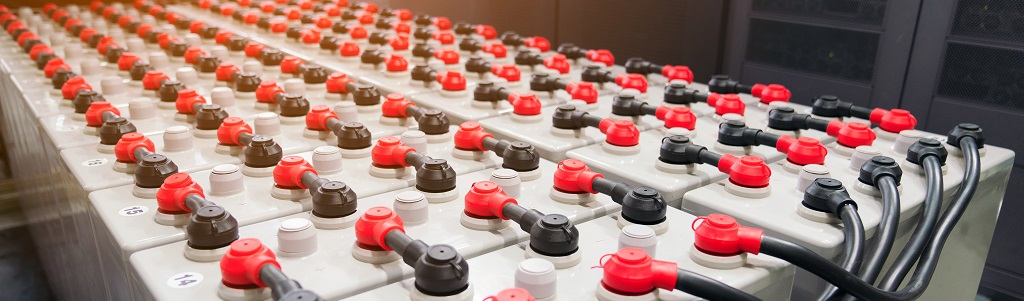
The terms "battery", "accumulator" and "accumulator" designate devices whose function is to transform the energy released by a chemical reaction directly into electrical energy, i.e. without passing through an intermediate form. These devices are electrochemical generators. Batteries and accumulators are autonomous sources of electrical energy, and their use is extremely widespread. For example, "button" batteries power quartz watches, while lead-acid batteries (known as "SLI" batteries) are used to start, light and ignite internal combustion engine vehicles, and various batteries (Ni-Cd, Ni-MH, Li-ion) power portable systems such as telephones, computers and hand tools. Beyond these "consumer" applications, batteries are also used in the industrial sector. These include stationary emergency batteries and those used in industrial trucks. Looking ahead, the massive storage of electrical energy could, on the one hand, facilitate grid operation and, on the other, act as a buffer for intermittent electrical energy generators (wind, photovoltaic).
The proliferation of devices powered by electrochemical generators is a significant result of current technical, economic and environmental developments. The miniaturization of electronic devices and the accompanying reduction in electrical energy consumption are leading to the emergence of more and more autonomous or portable devices. In response to this emerging market, manufacturers have developed electrochemical generators whose size and performance are well suited to the devices they power. The cell phone is a convincing example of this evolution. As far as large-capacity batteries are concerned, autonomous electric transport (without the need for catenary systems) and storage on power grids appear to be the main areas for development, driven by economic and environmental considerations. In all cases, the performance and cost of storage batteries pose severe limitations. But the soundness of the reasons behind these developments means that they cannot fail. For the time being, the marketing of hybrid vehicles and the implementation of network storage pilot sites represent concrete but modest advances.

Exclusive to subscribers. 97% yet to be discovered!
Already subscribed? Log in!
Accumulateurs
 Battery presentation
Article included in this offer
"Conversion of electrical energy"
(
279 articles
)
Updated and enriched with articles validated by our scientific committees
A set of exclusive tools to complement the resources