Overview
ABSTRACT
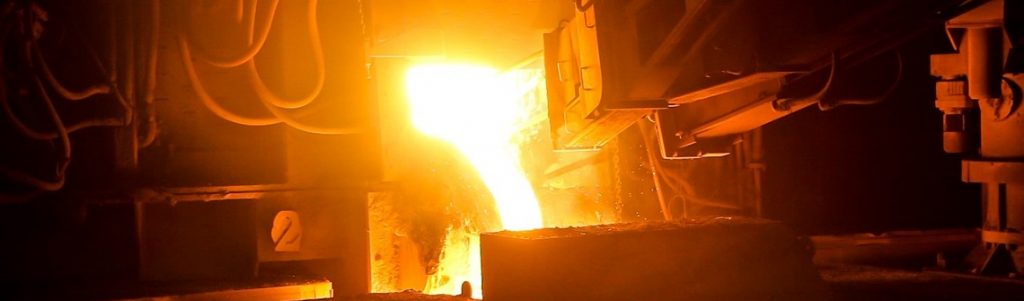
Melting furnaces, whether induction crucibles or direct-fired rotary kilns, contain liquid metal at high temperatures, and therefore the refractory lining must withstand molten metal and slag erosion. The proper functioning of these furnaces is based on the correct choice and use of refractory materials that constitute the fusion zone and other parts of the furnace. In order to increase the length of a production campaign between repairs and restrict the specific consumption of materials, it is important that the refractory lining is of a high standard. The selected products must be not only temperature resistant but also resistant to the mechanical stress occasioned by the presence of a liquid metal, the density of which is very high.
Read this article from a comprehensive knowledge base, updated and supplemented with articles reviewed by scientific committees.
Read the articleAUTHOR
-
Jean-Pierre GAUCHÉ : Physical and chemical engineer (EOA Paris) - Professor at the École Supérieure de Fonderie et de Forge - Expert for the Centre Technique des Industries de la Fonderie (Technical Center for Foundry Industries)
INTRODUCTION
Until the 1970s, the cold blast cupola furnace was the traditional method of melting cast iron. It was a polluting, energy-inefficient process that consumed large quantities of refractory materials (over 30 kg/ton of cast iron). Developed after the Second World War, the hot-wind cupola furnace increased hourly output and allowed operation in campaigns lasting several successive days. The 1973 oil crisis forced smelters to reconsider their melting and holding equipment, particularly for cast-iron production. From then on, energy had to be saved.
In foundries, this necessary modernization only became apparent from 1975 onwards. Until the 1990s, equipment using electricity and natural gas was gradually developed, notably electric induction furnaces and gas rotary furnaces.
The emergence of these new melting processes and their technical nature have forced refractory manufacturers to develop new processing concepts and adapt materials to these new applications, which are more demanding in terms of thermal performance, specific consumption and service life.
This article describes these new techniques for producing, operating and maintaining refractory linings for both electric crucible induction furnaces and rotary gas furnaces. The choice of these linings in relation to the melting bed and the metallurgy are also discussed in detail.

Exclusive to subscribers. 97% yet to be discovered!
Already subscribed? Log in!
KEYWORDS
induction furnace | rotary kiln | refractory material | slag | crucible | burner | sintering
Refractory lining for melting furnaces
 Crucible induction furnace
Article included in this offer
"Metal forming and foundry"
(
124 articles
)
Updated and enriched with articles validated by our scientific committees
A set of exclusive tools to complement the resources
Bibliography
Exclusive to subscribers. 97% yet to be discovered!
Already subscribed? Log in!