Conclusion
Ceramics. Characteristics and Technologies

Add to my library

N4811 V1 Article

Conclusion


Ceramics. Characteristics and Technologies

Author : Pierre LEFORT

Publication date: July 10, 2018, Review date: August 2, 2023 | Lire en français

Add to my library Add to my library

Logo Techniques de l'Ingenieur You do not have access to this resource.
Request your free trial access! Free trial

Already subscribed?

3. Conclusion

These few pages are intended to give an idea of the multiplicity of ceramic compositions and the complexity of their production techniques. It is striking to observe that, alongside traditional materials known for millennia such as terracotta, new formulations continue to be developed in public and private research laboratories, opening the way to materials whose properties are far from having been fully explored.

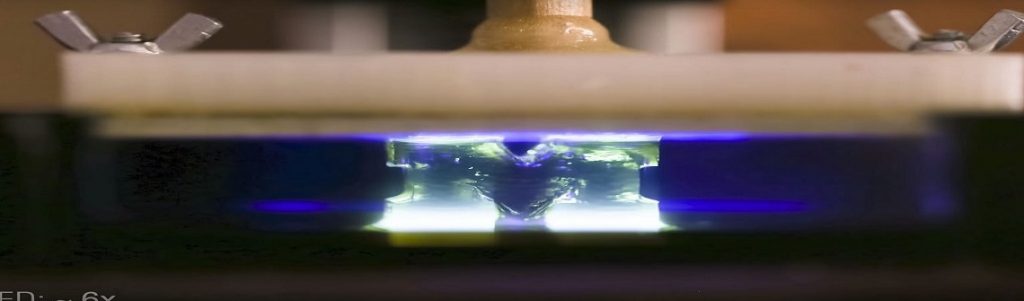
At the same time as the search for new compositions, the search for new ceramic technologies is also developing. From isostatic pressing, unknown until the 1970s, to additive technologies in their infancy, we can see that manufacturing processes are also evolving, with the aim of producing better, faster and more cheaply, or even with a view to manufacturing parts that were previously impossible to design. What's more, the quest for "zero defects", which...

You do not have access to this resource.
Logo Techniques de l'Ingenieur

Exclusive to subscribers. 97% yet to be discovered!

You do not have access to this resource. Click here to request your free trial access!

Already subscribed?


Ongoing reading
Conclusion

Article included in this offer

"Glasses and ceramics"

( 66 articles )

Complete knowledge base

Updated and enriched with articles validated by our scientific committees

Services

A set of exclusive tools to complement the resources

View offer details

Dans les ressources documentaires

Céramiques - Typologie des produits

Le nombre de produits fabriqués en céramique est considérable. Ces produits sont utilisés pour des applic...

Céramiques réfractaires

Les céramiques réfractaires sont des matériaux qui résistent aux hautes températures. Elles sont essentie...

Frittage : aspects physico-chimiques - Partie 1 : frittage en phase solide

Cet article est consacré au frittage en phase solide, un des trois types de frittage couramment distingué...

Frittage : aspects physico-chimiques - Partie 2 : frittage en phase liquide

Le frittage en phase liquide utilise les propriétés des liquides pour faciliter la cohésion des grains, c...

Tous les livres blancs
Toutes les actualités
Contact us