2. Multiphysics modeling of microwave sintering
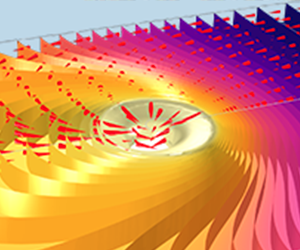
Microwave heating involves various physical processes: the conversion of electromagnetic energy into heat (dielectric losses) and the associated thermal phenomena (conduction, convection, radiation). When it comes to sintering parts, we need to add to this already complex process not only dimensional variations in the parts, but also changes in microwave/material interactions with temperature. Under these conditions, multiphysics modeling is a predictive tool that can be used to size the resources deployed (useful power, geometry of the sintering cell: nature and geometry of insulators, any susceptors), but also to optimize the process by fine-tuning experimental conditions to reduce certain undesirable effects (hot spots, thermal runaway, plasmas, etc.). This section describes the general approach used to simulate this multiphysics process.

Exclusive to subscribers. 97% yet to be discovered!
Already subscribed? Log in!
Multiphysics modeling of microwave sintering

 Microwave applications for ceramic processes
Article included in this offer
"Glasses and ceramics"
(
66 articles
)
Updated and enriched with articles validated by our scientific committees
A set of exclusive tools to complement the resources
Bibliography
Exclusive to subscribers. 97% yet to be discovered!
Already subscribed? Log in!