Overview
ABSTRACT
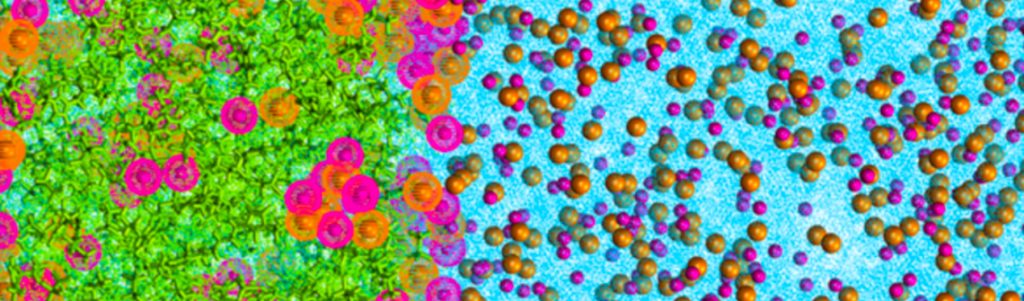
At the present time, it is still difficult to understand the functioning of materials at the atomic scale from an experimental viewpoint. However, the considerable progress in the performances of calculation tools has allowed for the simulation of these issues and therefore of their study. In order to perform these simulations at the atomic scale in materials, researchers use two methods: molecular dynamics and Monte-Carlo methods. The aim of this article is to present the simulation technique so-called molecular dynamics. It starts by presenting the basics of this method and its key points. Three examples of original applications then provided. To conclude, some ideas and future prospects for molecular dynamics are explained.
Read this article from a comprehensive knowledge base, updated and supplemented with articles reviewed by scientific committees.
Read the articleAUTHORS
INTRODUCTION
The aim of this dossier is to present an atomic-scale simulation technique known as molecular dynamics. Developed in the 1950s, this method is increasingly used, particularly in the field of materials. After a brief presentation of the technique and its key points, three examples are given, chosen above all for their originality. The first deals with the modeling of irradiation damage in structural materials, while the other two propose solutions to the main problem of molecular dynamics: very short simulated time. The first involves coupling molecular dynamics with another method called kinetic Monte Carlo. The other solution, presented here, involves "coarse-grained" molecular dynamics. Finally, in the last part of this dossier, possible perspectives and improvements to the method are described, together with a description of the main molecular dynamics software used by the scientific community.

Exclusive to subscribers. 97% yet to be discovered!
Already subscribed? Log in!
Molecular dynamics applied to materials
 Introduction
Article included in this offer
"Physics and chemistry"
(
203 articles
)
Updated and enriched with articles validated by our scientific committees
A set of exclusive tools to complement the resources
Bibliography
Exclusive to subscribers. 97% yet to be discovered!
Already subscribed? Log in!