Key features
PET or polyethylene terephthalate

Add to my library

J6488 V1 Article

Key features


PET or polyethylene terephthalate

Author : Jean-Pierre QUENTIN

Publication date: June 10, 2004 | Lire en français

Add to my library Add to my library

Logo Techniques de l'Ingenieur You do not have access to this resource.
Request your free trial access! Free trial

Already subscribed?

1. Key features

Polyethylene terephthalate (PET) is a linear, semi-aromatic, para-linked polyester. This structure gives it certain physico-chemical characteristics, such as chemical reversibility, thermoplasticity, ability to crystallize and relatively good thermal stability. These characteristics largely govern the conditions under which the polymer is synthesized and its applications.

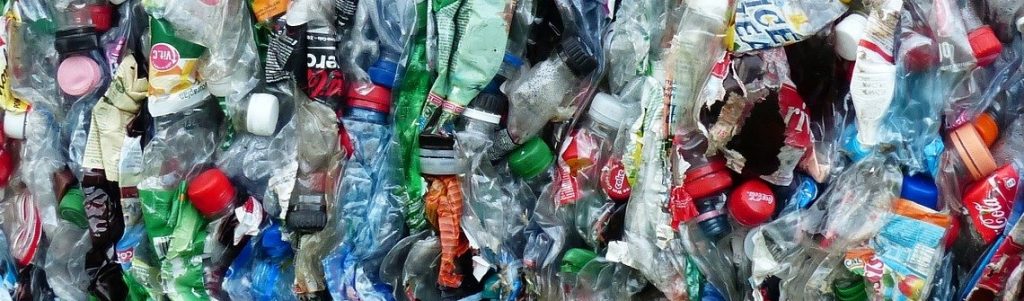
Synthesis can be carried out in the melt phase, followed by solid-phase postcondensation (PCS or SSP for Solid State Postcondensation). The polymer can also be easily recycled (monomer regeneration or remelting).

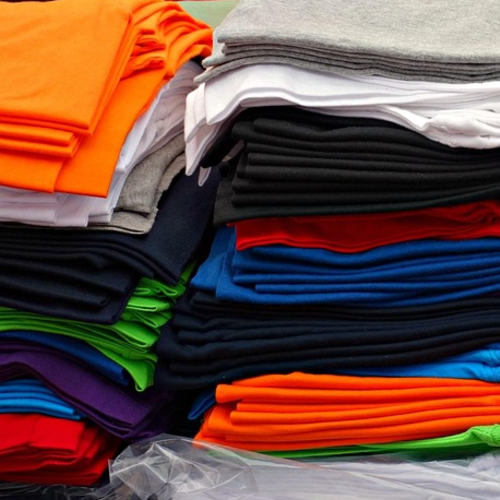
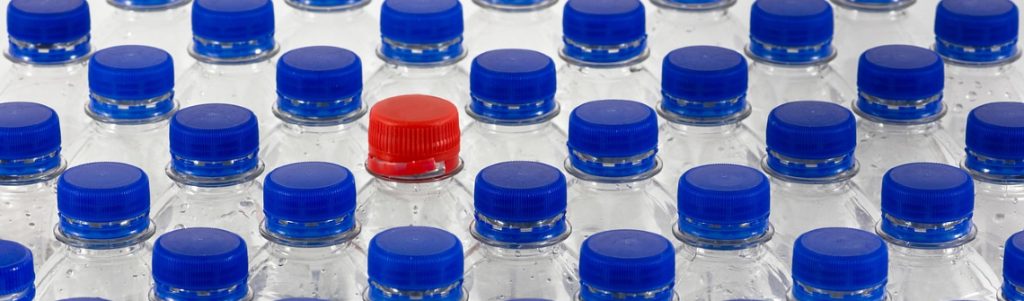
PET first developed in the textile (yarns and fibers) and film (packaging, graphic arts, photos, audio and videocassettes) sectors, then in industrial yarns (conveyor belts, tire reinforcements, screen-printing fabrics) and today, increasingly, in hollow bodies,...

You do not have access to this resource.
Logo Techniques de l'Ingenieur

Exclusive to subscribers. 97% yet to be discovered!

You do not have access to this resource. Click here to request your free trial access!

Already subscribed?


Article included in this offer

"Unit operations. Chemical reaction engineering"

( 343 articles )

Complete knowledge base

Updated and enriched with articles validated by our scientific committees

Services

A set of exclusive tools to complement the resources

View offer details

Dans les ressources documentaires

Polyéthylènetéréphtalate (PET) : aspects économiques

La demande mondiale de PET, toutes applications confondues, est en croissance constante depuis 1993, le t...

Polystyrène expansé ou PSE

Le polystyrène expansé (PSE), moulé ou extrudé, est principalement utilisé pour l'isolation thermique des...

Fin de vie des silicones

Les silicones (ou polysiloxanes) constituent une très grande variété de matériaux polymères aux propriété...

Polymères de coordination hétérolanthanides luminescents - Caractéristiques et applications

Les polymères de coordination hétéro-lanthanides luminescents sont des édifices cristallins mono‑, bi‑ ou...

Tous les livres blancs
Article Transformer le PE en un nouveau polymère
4 February 2026
Transformer le PE en un nouveau polymère

Peut-on donner une nouvelle vie au polyéthylène (PE), plastique le plus produit au monde ? Des chercheurs bordelais développent un procédé innovant de fonctionn...

Toutes les actualités
Contact us