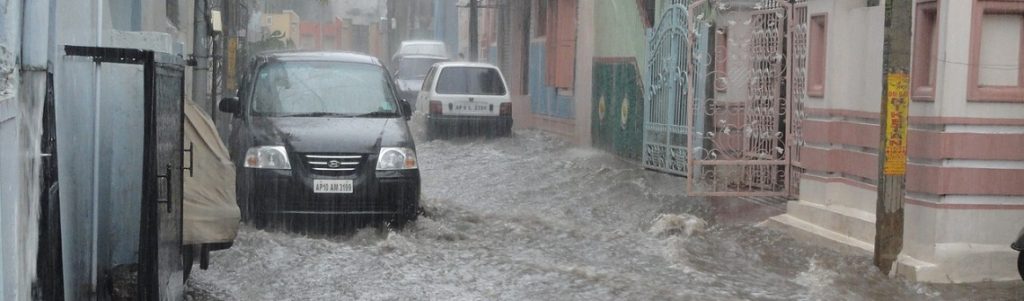
Methodology for analyzing the behavior and resilience of a diking system
Diagnosis and Adaptation of Levee Systems

Add to my library

TRP5003 V1 Article

Methodology for analyzing the behavior and resilience of a diking system


Diagnosis and Adaptation of Levee Systems

Author : Marc IGIGABEL

Publication date: February 10, 2017 | Lire en français

Add to my library Add to my library

Logo Techniques de l'Ingenieur You do not have access to this resource.
Request your free trial access! Free trial

Already subscribed?

4. Methodology for analyzing the behavior and resilience of a diking system

Flood risk management on a site must be based on a good understanding of the events to which the diking system may be subjected, and on a sufficiently accurate assessment of its behavior in the face of events identified as probable (reference events). As systems and their environments evolve, two underlying questions are of particular interest:

  • Is the initial sizing of the system compatible with the new events to be taken into account (extended observation record, effect of climate change or changes to the catchment area in terms of urbanization or soil sealing)?

  • Is the diking system properly maintained?

The subject of crisis management is also a concern for the managers who will be responsible for emergency interventions on the structures, and for the authorities in charge...

You do not have access to this resource.
Logo Techniques de l'Ingenieur

Exclusive to subscribers. 97% yet to be discovered!

You do not have access to this resource. Click here to request your free trial access!

Already subscribed?


Ongoing reading
Methodology for analyzing the behavior and resilience of a diking system

Article included in this offer

"Inland waterway and maritime transport"

( 55 articles )

Complete knowledge base

Updated and enriched with articles validated by our scientific committees

Services

A set of exclusive tools to complement the resources

View offer details

Dans les ressources documentaires

Conception et dimensionnement parasismiques des ponts selon l’EC8-2

Depuis le 1 er janvier 2012, les maîtres d'ouvrage d'infrastructures de transport sont soumis à l'applic...

Prise en compte du risque sismique sur les ponts existants

Les connaissances scientifiques et les règles sur la conception parasismique évoluent fortement. Conséque...

Systèmes d'alerte précoce pour les inondations soudaines (crues éclair)

Les crues éclair sont des phénomènes hydrométéorologiques aux conséquences souvent dramatiques d’un point...

Solutions fondées sur la nature pour réduire les inondations : cas de la vallée de la Bièvre

Cet article présente un retour d’expérience réalisé dans la vallée de la Bièvre pour faire face aux inond...

Tous les livres blancs
Toutes les actualités
Contact us