Overview
ABSTRACT
The essential characteristics which make polymers very special dielectrics and well adapted to some applications are presented in this article. The influence of chemical composition and of physical structure of these macromolecular materials is detailed, and it illustrates the potential of polymers to design optimized responses to specific needs. Examples of the major applications where polymers are unavoidable are given in the end of the article
Read this article from a comprehensive knowledge base, updated and supplemented with articles reviewed by scientific committees.
Read the articleAUTHOR
-
Jean-Marc BUREAU : Materials and Processes Manager - COBHAM MICROWAVE, Villebon-sur-Yvette, France
INTRODUCTION
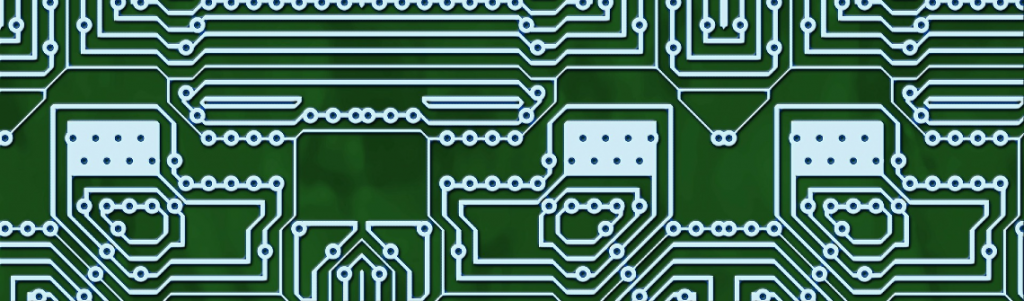
Traditional dielectric materials have long been inorganic insulating substances (silica, alumina, etc.), but organic polymers are increasingly used because of their processing possibilities (films, laminates, moldings, etc.), flexibility, low density and wide range of compositions, enabling them to be adapted to specific needs. Main applications include capacitor films, cable and connector insulation, supports and substrates for printed circuit boards and antennas, and encapsulation materials for electronic components.
The aim of this article is to present the advantages and limitations of polymeric dielectric materials and the various strategies for optimizing them for these specific applications.
This article presents some theoretical elements of the dielectric properties of materials (permittivity and loss factor) and details the polarization phenomena specific to macromolecular materials. It shows the role of their physico-chemical structure on these properties, as well as the influence of frequency and temperature on their variation. Other important parameters for electrical and electronic applications (resistivity, dielectric strength, environmental stability) are also covered.
Finally, the main applications are presented, along with the most widely used dielectric polymers for each of them.

Exclusive to subscribers. 97% yet to be discovered!
Already subscribed? Log in!
KEYWORDS
applications | definitions | structure/properties relationship | electronics | electrotechnics | materials | dielectrics
Dielectric properties of polymers
 Permittivity and loss index
Article included in this offer
"Plastics and composites"
(
347 articles
)
Updated and enriched with articles validated by our scientific committees
A set of exclusive tools to complement the resources
Bibliography
Exclusive to subscribers. 97% yet to be discovered!
Already subscribed? Log in!