Overview
ABSTRACT
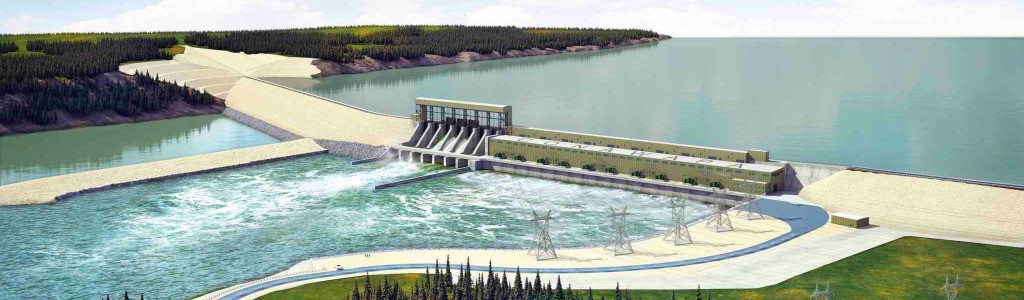
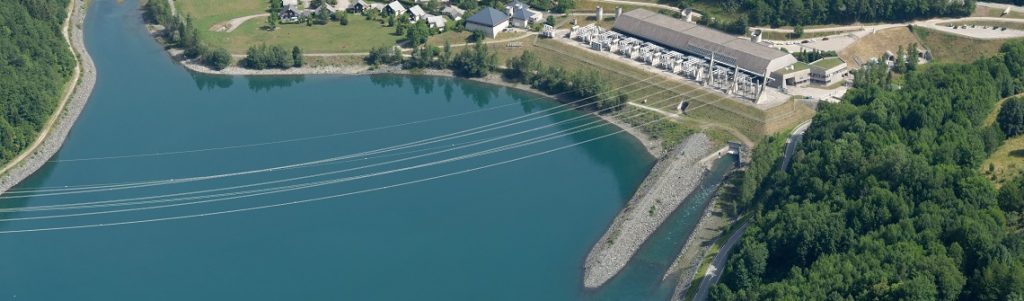
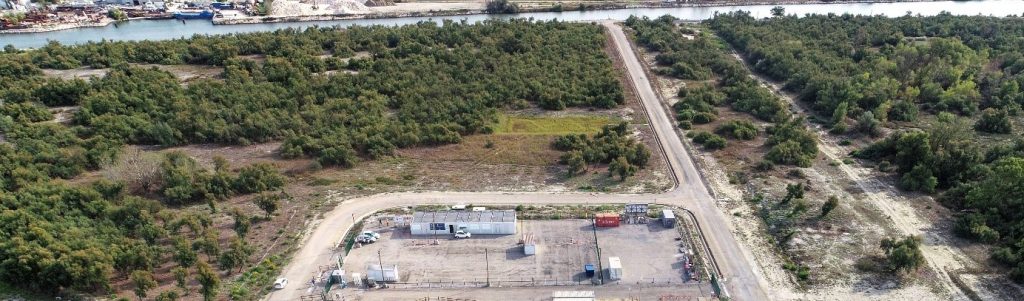
This article deals with electricity production by small hydroelectric power plants, of which there are some 1800 in France. Modern components now allow profitable new plants to be built or old ones to be refitted and made more efficient. The commitment of public authorities to developing renewable energies has restored an opportunity for small hydropower. On streams and on rivers, we can build small units from a few kilowatts up to thousands of kilowatts. This article describes a program for a hydropower plant starting from a profitability study through to operation, with descriptions of the types of work and materials.
Read this article from a comprehensive knowledge base, updated and supplemented with articles reviewed by scientific committees.
Read the articleAUTHOR
-
Pierre Lavy : Engineer École Nationale Supérieure d'Ingénieurs en Électrotechnique de Grenoble - Former subsidiary manager of small power plants - Former Technical Director, Hydraulics, EDF, Saint Denis, France
INTRODUCTION
Hydropower is an essential component of renewable energies and of reducing the greenhouse effect.
In France, as in Europe, major hydroelectric schemes were built in past decades. Because of their high capitalization requirements and long lifespans, "large" hydropower is no longer a major development in Europe. However, it remains a fundamental element in the regulation and stability of large interconnected networks, thanks to its flexibility of use, rapid response and availability. These qualities are increasingly essential to compensate for the irregularity of wind and solar generation.
National and European regulations favoring the development of renewable energies have been put in place to reduce the production of energy that pollutes or accentuates the greenhouse effect. The energy transition called for by COP 21 has set ambitious targets. Pricing policies have been proposed to industry to develop renewable energies, and small-scale hydropower remains the best response to the challenges of ecological production.
In developing countries, the role of small hydropower plants is more important, as networks are less powerful and the diversity of hydropower solutions enables local, decentralized production solutions.
Readers interested in the subject can find further information, particularly on machines, at
The European authorities refer to "small hydroelectric schemes" as those with a capacity not exceeding 12 MW (law of February 2002).
In France, this represents more than 1,800 power plants, with a total capacity of 2,000 MW and an output of 8,500 GWh.
These small hydroelectric schemes, most of which are run-of-river, play no role in the management of a large network, and can therefore be simplified both in terms of design (standardization, simplification of circuits) and operation, while ensuring maximum public safety in terms of people and property.
The design of structures and equipment...

Exclusive to subscribers. 97% yet to be discovered!
Already subscribed? Log in!
KEYWORDS
hydropower | dams | streamflow |
Electricty Production by Small Hydroelectric Power Plants
 Equipment design and definition
Article included in this offer
"Energy resources and storage"
(
208 articles
)
Updated and enriched with articles validated by our scientific committees
A set of exclusive tools to complement the resources
Bibliography
Exclusive to subscribers. 97% yet to be discovered!
Already subscribed? Log in!