Overview
ABSTRACT
We use cast copper alloys every day. In this article, a broad range of copper alloys and their different metallurgies are presented. The first part is dedicated to the functional abilities of copper alloys in relation to their applications and the effect of the alloying components. The properties of cast copper alloys are then detailed with their specific melting and casting requirements. In the last part, the different methods used daily to inspect copper alloy castings are presented.
Read this article from a comprehensive knowledge base, updated and supplemented with articles reviewed by scientific committees.
Read the articleAUTHOR
-
Michel STUCKY : Doctor of Engineering, non-ferrous alloys expert at CTIF, lecturer at ESFF, - Sèvres, France
INTRODUCTION
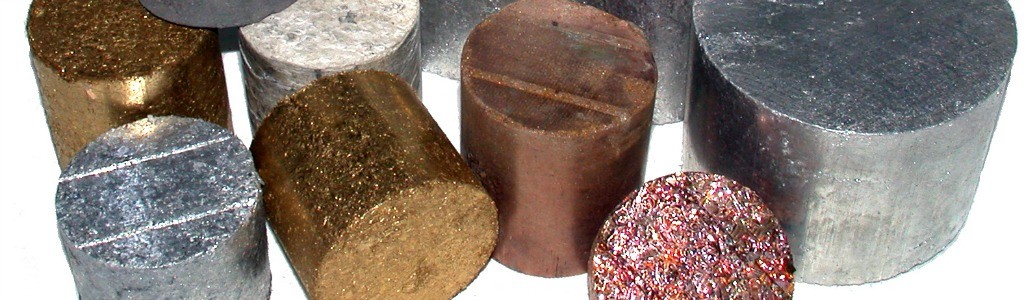
Copper has been a human companion since 9000 BC, and even today, many of our products cannot do without copper. For example, the Tore Supra project (energy production by nuclear fusion) uses copper in the construction of the Tokamak, and without copper, the "Harmony of the Sea" would never have left the Saint-Nazaire shipyard. Its construction required 700 t of copper for the wiring alone. Although cast alloys account for less than 5% of copper alloy tonnage, we use copper alloy castings on a daily basis, for example for taps and water meters. However, their industrial importance is far more strategic in fields as varied as petrochemicals, steelmaking and, of course, decoration. Unfortunately, while the metallurgies of steels, cast irons and, to a lesser extent, aluminum alloys are taught, copper metallurgy remains virtually ignored, despite the industrial importance of these alloys.
The purpose of this article is to fill this gap in order to :
to provide an overview of knowledge about cast copper alloys;
to provide the reader with basic information on these alloys.
In this article, only those alloys referenced in the European standard are presented. Indeed, this article also aims to help the reader make an initial selection of a material/process pair based on known functional requirements. With this in mind, it is important, at least in the first instance, to avoid alloys of confidential distribution. The alloys listed in the standard offer the advantage of being the most industrial alloys, and therefore offer a wide range of suppliers of both alloys and castings.

Exclusive to subscribers. 97% yet to be discovered!
Already subscribed? Log in!
KEYWORDS
copper | alloy | casting | cast
Cast copper alloys
 Standard
Article included in this offer
"Metal forming and foundry"
(
124 articles
)
Updated and enriched with articles validated by our scientific committees
A set of exclusive tools to complement the resources
Bibliography
Exclusive to subscribers. 97% yet to be discovered!
Already subscribed? Log in!