5. Recycling processes
Tin recycling produces so-called secondary tin, i.e. tin obtained from so-called secondary materials in the broadest sense, as opposed to ores and concentrates extracted from natural deposits. These tin-containing materials can be divided into three categories:
by-products from the metallurgical processing of ores and concentrates: slag, dust, ash, liquation skimmings, precipitates, sludges, salts, cements, etc. ;
by-products from tin-consuming industries (iron and steel, alloy foundries, semi-finished product manufacturing, electronics, chemical and pharmaceutical industries, etc.): offcuts and scrap, turnings, salts, residues, slag, solutions, etc;
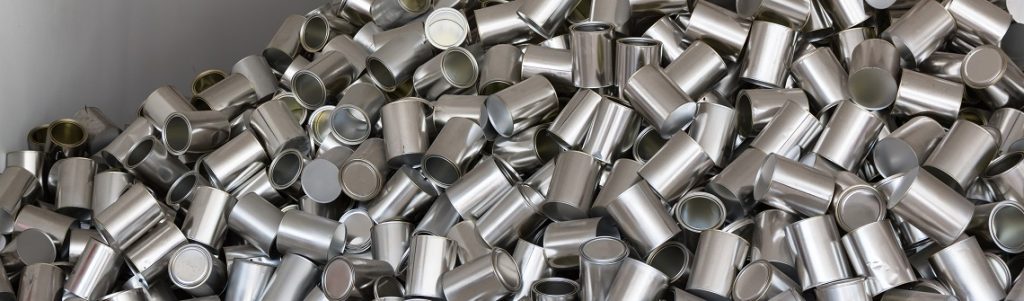
scrap and miscellaneous waste from finished products after consumption by the market: tin cans, urban waste, electrical and...

Exclusive to subscribers. 97% yet to be discovered!
Already subscribed? Log in!
Recycling processes

 Quality of tin marketed
Article included in this offer
"Metal manufacturing processes and recycling"
(
121 articles
)
Updated and enriched with articles validated by our scientific committees
A set of exclusive tools to complement the resources
Bibliography
References
- (1) - BENIUK (V.G.), VADEIKIS (C.A.), ENRAGHT-MOONY (J.N.) - Centrifugal jigging of gravity concentrate and tailing at Renison Limited - (Jiggage centrifuge de concentré gravimétrique et de rejet à Renison Limited). Minerals Engineering (GB) 7, n 5/6, mai 1994, p. 577-89, 5 tabl., 7 fig., bibl. (3 réf.) Elsevier Science Ltd....
Exclusive to subscribers. 97% yet to be discovered!
Already subscribed? Log in!