8. Toxicity and environmental aspects
From an environmental point of view, tin mines differ from most other mines in that they are predominantly alluvial and eluvial operations, often of an artisanal nature (South-East Asia, Brazil...). There are two types of environmental impact: pollution of effluents by solid particles and rehabilitation of the soil after mining. To avoid the former, some legislation sets limits on the permissible concentration of solids (0.6 or 1.2%) by mass; soil rehabilitation, on the other hand, poses major problems, mainly due to the separation of sand and clay by gravel pumps.
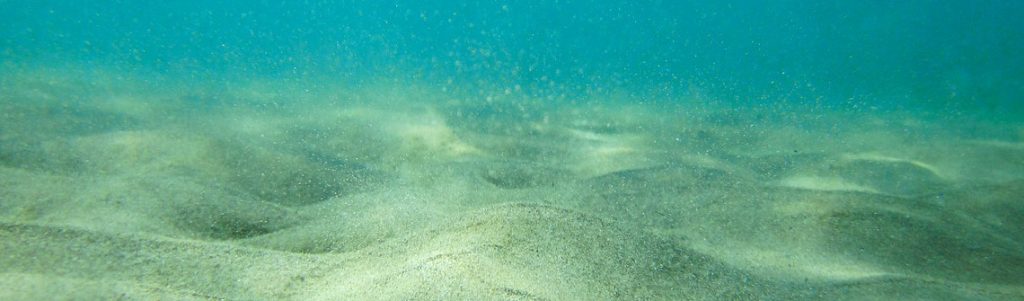
In modern dredging operations, these environmental problems no longer arise; however, in the case of off-shore dredging, this can lead to the extinction of the benthos in the excavated area, which is particularly disastrous in mangrove areas.
In primary underground mining, the...

Exclusive to subscribers. 97% yet to be discovered!
Already subscribed? Log in!
Toxicity and environmental aspects

Article included in this offer
"Metal manufacturing processes and recycling"
(
121 articles
)
Updated and enriched with articles validated by our scientific committees
A set of exclusive tools to complement the resources
Bibliography
References
- (1) - BENIUK (V.G.), VADEIKIS (C.A.), ENRAGHT-MOONY (J.N.) - Centrifugal jigging of gravity concentrate and tailing at Renison Limited - (Jiggage centrifuge de concentré gravimétrique et de rejet à Renison Limited). Minerals Engineering (GB) 7, n 5/6, mai 1994, p. 577-89, 5 tabl., 7 fig., bibl. (3 réf.) Elsevier Science Ltd....
Exclusive to subscribers. 97% yet to be discovered!
Already subscribed? Log in!