Overview
ABSTRACT
In an overall approach to environmental protection, pollution from smoke and fume emissions needs to be reduced. After an introduction on the nature of airborne pollutants and their impacts on human health, this article presents the regulatory aspect of atmospheric emission control, and the methods of analysis for some pollutants. The emission treatment processes are described. Dealing with these complex mixtures of compounds at very low concentrations requires a wide range of technologies.
Read this article from a comprehensive knowledge base, updated and supplemented with articles reviewed by scientific committees.
Read the articleAUTHOR
-
Pierre LE CLOIREC : Professor, Director of ENSCR - École Nationale Supérieure de Chimie de Rennes, France
INTRODUCTION
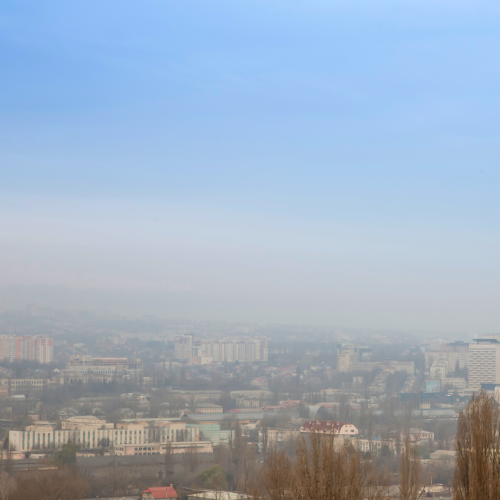
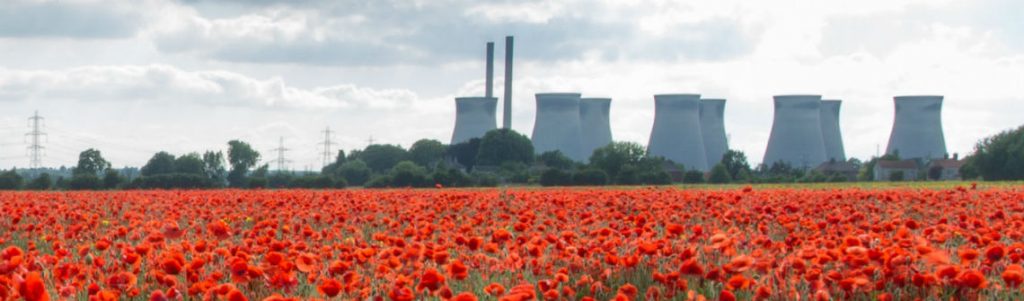
If we take a global environmental approach, the impact on human health and ecosystems, the greenhouse effect and global warming, the uncontrolled production of ozone in cities, odour nuisance... are all good reasons for drastically limiting pollutant-laden gaseous emissions. These include particulates, sulfur compounds, nitrogen compounds, carbon dioxide and volatile organic compounds. The international community mobilized to combat the increase in anthropogenic greenhouse gas emissions through the Rio Convention, signed in June 1992. Since then, international conferences have been held, with varying degrees of success, in Kyoto and New York, focusing in particular on the issue of air pollution. More recently, in December 2015, the COP21 (21st Conference of the Parties) held in Paris, enabled a discussion between States on the management of gaseous emissions. This agreement should lead to a drastic reduction in certain pollutants present in emissions due to human activity. On a regulatory level, the practical consequences of European directives have led to the promulgation in France of various decrees regulating pollutant emission levels for certain industrial sectors. These include the decrees of February 2, 1998 and May 29, 2000, supplemented by industry-specific decrees. These few points are intended to demonstrate the need and/or obligation to reduce the pollutant loads emitted into the atmosphere by fumes. There are a number of processes that can help reduce these pollutant emissions and nuisances.
The aim of this dossier is to define qualitatively and quantitatively the pollutants emitted in flue gases, to introduce the regulatory texts in the field of pollution control, and to present methods for analyzing various undesirable compounds. Finally, it will suggest treatments available alone or as part of a flue gas cleaning system.

Exclusive to subscribers. 97% yet to be discovered!
Already subscribed? Log in!
KEYWORDS
CO2 | pollutants | particles | COV | NOx | SOx
EDITIONS
Other editions of this article are available:
Traitement des fumées
 Natures, sources and impacts
Article included in this offer
"Energy resources and storage"
(
210 articles
)
Updated and enriched with articles validated by our scientific committees
A set of exclusive tools to complement the resources
Bibliography
Exclusive to subscribers. 97% yet to be discovered!
Already subscribed? Log in!