7. Conclusion
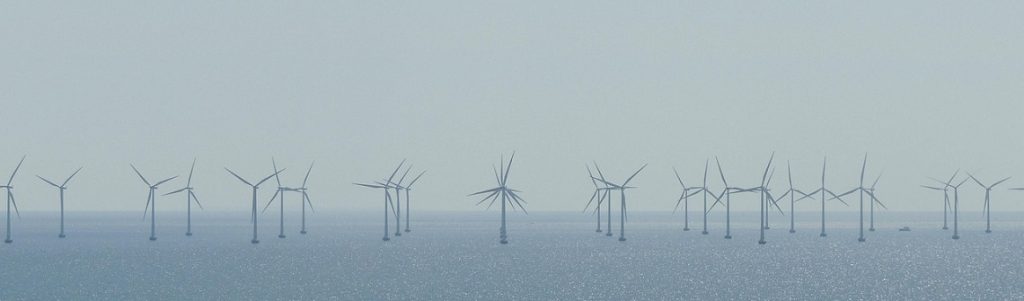
The production of electrical energy using wind turbines calls on advanced skills in a wide range of fields: aerodynamics, mechanics, strength of materials, electrical and electronic engineering, construction and public works, not to mention environmental and regulatory aspects. The spectacular development of machines up to the early 2000s led to the production of very large wind turbines, which represented the limit of our know-how at the time. Offshore wind energy and its specific challenges then led to new developments and a further increase in the power of wind turbines. To make further progress, we need to come up with innovative solutions or architectures and new technological breakthroughs.
Even if building a high-power wind farm onshore or, even more so, offshore remains a real technological and human challenge, the experience now acquired by developers and...

Exclusive to subscribers. 97% yet to be discovered!
Already subscribed? Log in!
Conclusion

 Glossary
Article included in this offer
"Energy resources and storage"
(
210 articles
)
Updated and enriched with articles validated by our scientific committees
A set of exclusive tools to complement the resources
Bibliography
- (1) - GWEC - Global Wind Energy Council http://www.gwec.net
- (2) - SER - Syndicat des Énergies Renouvelables
Exclusive to subscribers. 97% yet to be discovered!
Already subscribed? Log in!