7. Frequently asked questions
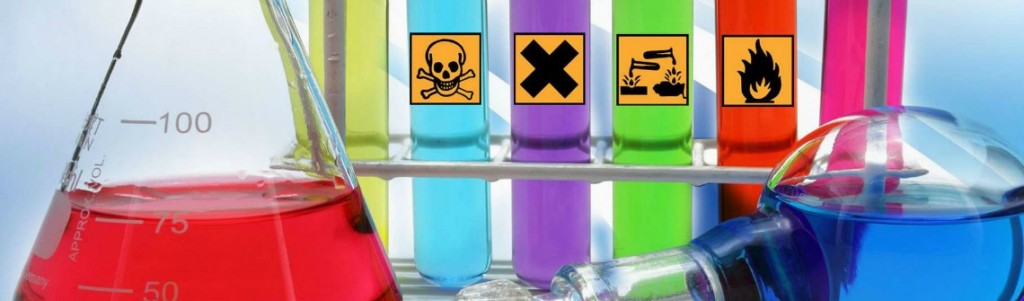
Could a substance listed in the CLP regulation not have a pictogram at all?
Yes, a substance may be classified in a class and category that does not require the use of a pictogram, but it may still represent a hazard that is indicated in the written information. For example: "Dangerous for the aquatic environment – long-term hazard, category 3", "Toxic for reproduction, effects on or via breastfeeding", "Flammable gas, category 2" (not all listed).
On some bottles, the hazard phrases are written very small and the pictograms are barely visible! What does the CLP regulation require in this respect?
As far as pictograms are concerned, the regulations are clear: the surface area of the red oblique square must not be less than 1 cm 2 (the side of the oblique square must be...

Exclusive to subscribers. 97% yet to be discovered!
Already subscribed? Log in!
Frequently asked questions

 Abbreviations and acronyms
Article included in this offer
"Safety and risk management"
(
463 articles
)
Updated and enriched with articles validated by our scientific committees
A set of exclusive tools to complement the resources
Bibliography
Also in our database
Exclusive to subscribers. 97% yet to be discovered!
Already subscribed? Log in!