2. Milling chips
2.1 How chips are formed
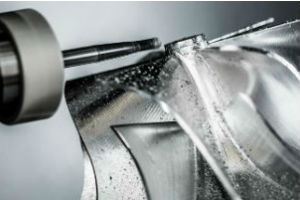
Controlling chip formation is particularly critical in milling. To achieve the correct performance, prolong tool life and obtain good results, it is necessary to determine chip thickness values.
It's the path taken by the tool that gives rise to the chip, which forms between the milling cutter's entry into the material and its exit from it. Chips are longer in conventional milling than in climb milling, so this is also a factor to consider when choosing the appropriate method. Chip shape varies with milling method and cutter positioning.
The maximum, i.e. deformation-free, chip thickness (h x ) corresponds to the distance...

Exclusive to subscribers. 97% yet to be discovered!
Already subscribed? Log in!
Milling chips

 Tiller geometry
Article included in this offer
"Material processing - Assembly"
(
174 articles
)
Updated and enriched with articles validated by our scientific committees
A set of exclusive tools to complement the resources
References
In the Mechanical Engineering section of Techniques de l'Ingénieur
Exclusive to subscribers. 97% yet to be discovered!
Already subscribed? Log in!