1. Technological aspects
1.1 Spinning principle. Spinning press
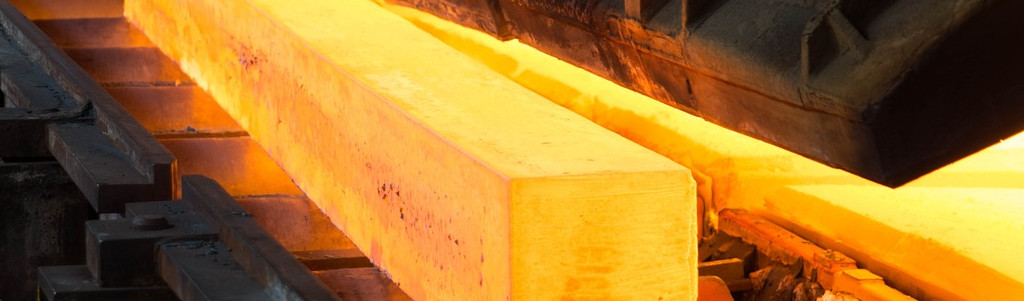
Hot extrusion - a shaping process involving plastic deformation - consists in introducing a heated (350 to 500 ×C) block of aluminum or aluminum alloy metal (billet) into a hollow container, which is itself heated, and, by means of a piston, pushing the billet through the opening made in a shaping tool (die) closing off the other end of the container (figure 2 ). The pressure in contact with the metal (specific pressure) is of the order of 600 MPa.
The spinning press bed is rigidly connected by columns to the press pot. The latter is supplied with water or oil, at pressures of up to 30 MPa, by a set of pumps with...

Exclusive to subscribers. 97% yet to be discovered!
Already subscribed? Log in!
Technological aspects

 Spinning conditions and possibilities
Article included in this offer
"Metal forming and foundry"
(
124 articles
)
Updated and enriched with articles validated by our scientific committees
A set of exclusive tools to complement the resources
References
Exclusive to subscribers. 97% yet to be discovered!
Already subscribed? Log in!