3. Plate manufacture and preparation
3.1 Liquid metal quality
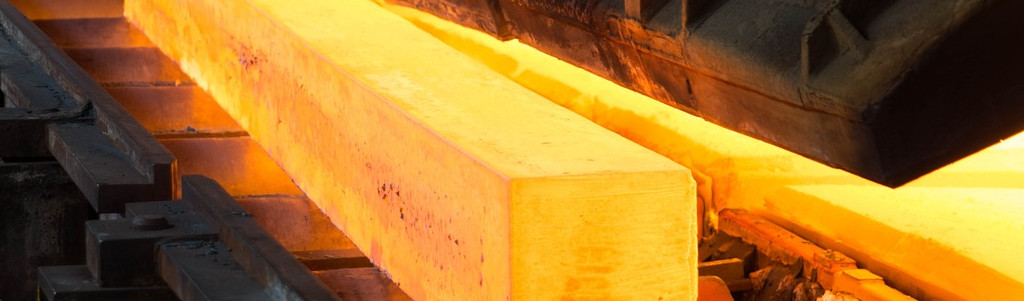
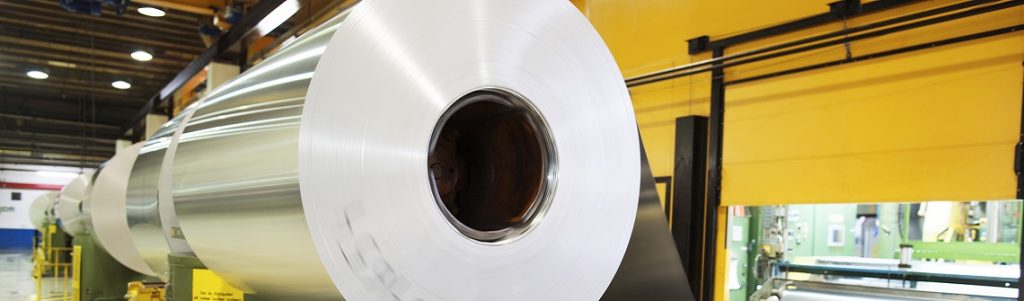
In aluminum rolling, the term "plate" is used instead of "slab". Plates are obtained by semi-continuous casting, usually vertical (known as "CCV" in comparison with continuous steel casting). Depending on plant capacity, the weight of a slab can vary between 2 and 22 tonnes.
It's important to note that alloying, i.e. the mixing of pure aluminum with additive elements, takes place at the foundry in the melting furnace. The liquid metal presents a definitive state in terms of average composition, inclusions, hydrogen, alkali and alkaline-earth contents.
It is therefore important to closely monitor the quality of this mixture before solidification.
- ...

Exclusive to subscribers. 97% yet to be discovered!
Already subscribed? Log in!
Plate manufacture and preparation

 Hot rolling
Article included in this offer
"Metal forming and foundry"
(
124 articles
)
Updated and enriched with articles validated by our scientific committees
A set of exclusive tools to complement the resources
Bibliography
Exclusive to subscribers. 97% yet to be discovered!
Already subscribed? Log in!