Overview
ABSTRACT
In addition to a predictable sharp increase in power demand, public electricity distribution and transmission networks must cope with the consequences of climate change on the one hand, and the integration of renewable energies on the other. This article deals only with the first point. Thus faced with increasing sensitivity to climate hazards and the energy transition, French electricity distribution and transmission networks must evolve to remain reliable. Storms, heatwaves and floods can put infrastructure to the test, particularly overhead and underground networks. Operators who are network managers are adapting equipment, integrating innovative technologies (AI, sensors, digital twins) and strengthening their cooperation with local authorities. Resilience also requires good work organisation and staff training to ensure a robust public service in an increasingly unstable climate environment.. Whereas until now, developments and adaptations were based on feedback from experience, they are now conceived and implemented based on simulations of the future.
Read this article from a comprehensive knowledge base, updated and supplemented with articles reviewed by scientific committees.
Read the articleAUTHOR
-
Nicolas PERRIN : Regional Director, Enedis Paris; Lecturer, France - Enedis, ESTP, EIVP, France
INTRODUCTION
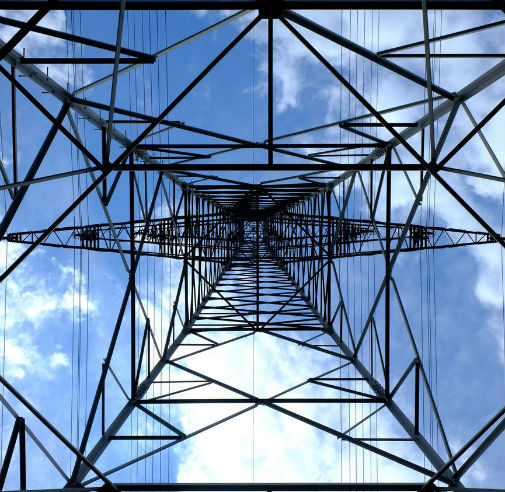
Climate change requires the adaptation of energy infrastructure, particularly electricity distribution and transmission networks. In France, this challenge involves addressing the increasing frequency of extreme weather events – —such as storms, heat waves, and floods – —which are putting a strain on the networks managed by Enedis and RTE, among others. These extreme events, combined with more gradual changes such as the increase in load resulting from the electrification of various uses or rising average temperatures, are redefining the operating conditions and resilience of the electric power system.
The central concept addressed in this article is that of climate resilience (see sidebar on resilience, § 1 ) as it applies to electricity distribution networks (with some related information on electricity transmission networks)—that is, the ability of infrastructure to anticipate, absorb, and recover from the impacts of climate change. This resilience relies on technical measures (replacing cables, burying power lines, modernizing substations), digital measures (real-time monitoring, digital twins, predictive AI), as well as human and organizational measures (adjusting work schedules, crisis management training).
The French context is characterized by regional diversity that complicates the response to risks: overhead power lines in rural areas are exposed to storms and wet snow, while underground power grids in urban areas, such as in Paris, are vulnerable to heat waves and flooding. Added to this are transition risks linked to changing energy usage patterns, new regulations, and growing societal expectations regarding sustainability.
There are many issues at stake: How can existing infrastructure be adapted to unprecedented weather conditions? How can we anticipate failures without overinvesting? How can public and private stakeholders be coordinated to ensure an effective response? And above all, how can we guarantee the continuity of public electricity service in a world where extreme events could become the norm?
This text explores these issues through a...

Exclusive to subscribers. 97% yet to be discovered!
Already subscribed? Log in!
KEYWORDS
climate change | electric grids | resilience | climate hazards | adaptation strategies
Electricity Grids and Climate Change: Impacts and Adaptations. The Example of Public Networks in Metropolitan France
 Background and Challenges of Climate Change for the Electric Power Distribution Sector
Article included in this offer
"Electricity networks and applications"
(
186 articles
)
Updated and enriched with articles validated by our scientific committees
A set of exclusive tools to complement the resources
Bibliography
Exclusive to subscribers. 97% yet to be discovered!
Already subscribed? Log in!