Overview
ABSTRACT
Plant protection products, mainly used to protect crops, contaminate all environments (terrestrial, continental and marine aquatic environments, aerial) and impact the diversity of certain organisms living there. After describing the existing and developing methods to assess the impacts of plant protection products on biodiversity, this article presents the direct and indirect effects of these products on terrestrial and aquatic organisms, their effects on ecosystem functions and services, and the levers for action to mitigate environmental contamination and its impacts.
Read this article from a comprehensive knowledge base, updated and supplemented with articles reviewed by scientific committees.
Read the articleAUTHORS
-
Laure MAMY : Research Director - Université Paris-Saclay, INRAE, AgroParisTech, UMR ECOSYS 91120 Palaiseau, France
-
Stéphane PESCE : Research Director - INRAE, UR RiverLy 69625 Villeurbanne, France
-
Wilfried SANCHEZ : Associate Scientific Director - Ifremer, Scientific Department 34200 Sète, France
-
Sophie LEENHARDT : Collective scientific expertise project manager - INRAE, DEPE 75338 Paris, France - And a collective of 43 experts (see Acknowledgements)
INTRODUCTION
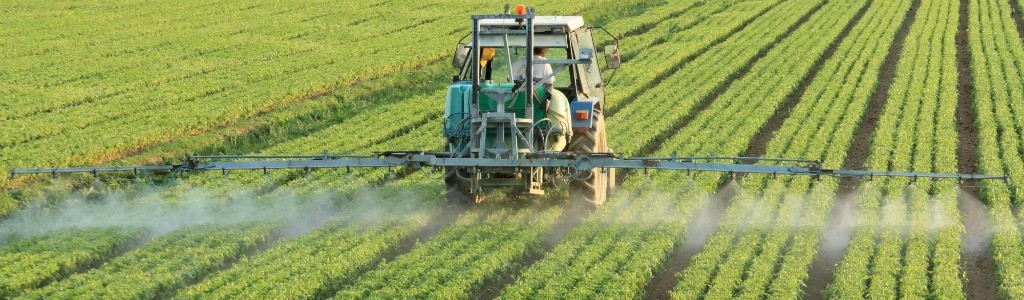
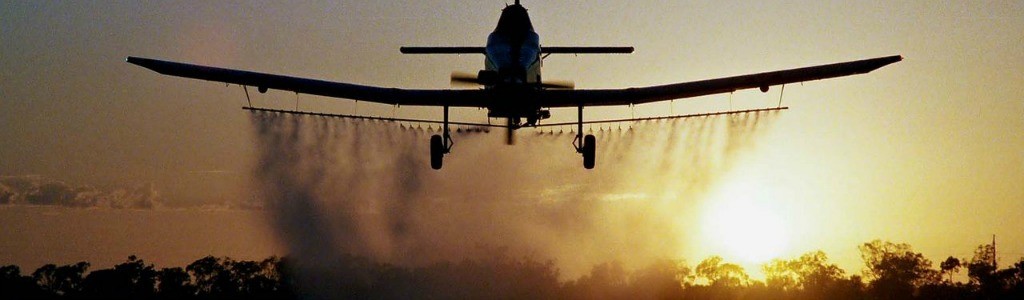
Every year, between 55,000 and 70,000 tonnes of phytopharmaceutical active substances, including those for use in organic farming and biocontrol, are sold in mainland and overseas France and used for crop protection or the maintenance of gardens, vegetated areas and infrastructure (JEVI). Yet in 2019, the Global Biodiversity and Ecosystem Services Assessment Report drawn up by the Intergovernmental Science-Policy Platform on Biodiversity and Ecosystem Services (IPBES) drew up an alarming balance sheet of unprecedented biodiversity erosion: chemical pollution generated by human activities, including plant protection products (PPPs), is identified as one of the main causes of this erosion, in addition to other pressures such as the destruction of habitats caused by urbanization, the intensification of agricultural and forestry practices, the over-exploitation of biological resources and the consequences of climate change.
Available data show that all environments (terrestrial, continental aquatic, marine, atmospheric) are contaminated by PPPs. Impregnation of biota present in these environments confirms the reality of organism exposure. Contamination is also ubiquitous, due to PPP transfer processes and the persistence of certain molecules. Although it tends to diminish with distance from application zones, it reaches very distant areas such as the deep ocean or sub-polar regions. In addition, it generally results in the presence of PPP mixtures that include several molecules: active substances, some of which are now banned but are persistent in the environment, transformation products for these substances, co-formulants and adjuvants. However, the banning of some of the most worrying PPPs has led to a reduction in the overall concentration levels of these substances over the last twenty years (e.g. organochlorine insecticides such as lindane, or photosynthesis-inhibiting herbicides such as diuron or atrazine).
Agriculture is identified as the major source of PPP introduction into the environment, with agricultural uses predominating over other uses (between 95 and 98%). This trend is becoming increasingly pronounced, given the sharp reduction in the use of PPPs for the maintenance of agricultural weeds over the last few years. As a result, agricultural areas, including the waterways that run through them and the air masses above them, are the most contaminated by these substances.
Against this backdrop, and as part of the Ecophyto II+ plan, the French Ministries of Ecological Transition, Agriculture and Research have asked INRAE and Ifremer to conduct a collective scientific appraisal (ESCo) to take stock of scientific knowledge on the impacts of PPPs on biodiversity and ecosystem services. This ESCo deals with the fate and impacts of PPPs...

Exclusive to subscribers. 97% yet to be discovered!
Already subscribed? Log in!
KEYWORDS
pesticide | ecotoxicology | effects | lver for action
Impacts of plant protection products on biodiversity
 A few definitions
Article included in this offer
"Analysis and Characterization"
(
277 articles
)
Updated and enriched with articles validated by our scientific committees
A set of exclusive tools to complement the resources
Bibliography
Exclusive to subscribers. 97% yet to be discovered!
Already subscribed? Log in!